Too Young, Too Old, or Just Right?
What happened when young people took over the church?
We always hear about churches that are getting older. Here in North America, more and more churches are closing because their members are getting older and there are not enough younger people to sustain them. In the church I attend, for example, fewer than 25% of the members are under 60. There are only about five children who regularly attend the worship service. About six young people attend the youth Sunday school, but most do not attend the regular worship service.
The last time this church baptized a new member was 16 years ago.
As the hair of its members slowly becomes grayer, it is difficult not to think about the future of the church. And I know this church is not alone. Many churches across North America are facing the same situation.
But my experience in the Philippines is very different.
In the Philippines, I am considered a young leader. I have also been involved in a youth empowerment movement that has helped develop many young leaders who are now serving the church. When I left the Philippines, the situation in the church I was part of was almost the opposite of what I see here. There were more young people than older people.
Before the pandemic, the majority of those attending the church, serving in different ministries, and volunteering were young people. Sometimes, we would see only three to five older people attending regularly. Today, most of the deacons are young, and one of the two pastors is as well. Most of the church's decisions, ministries, and activities are now being led and carried out by young people.
At first, this might sound like the ideal situation. But I believe both extremes have their own challenges, and neither is completely healthy.
I believe a healthy church needs people of different ages. The strength of the church comes from having a community where children, young people, adults, and older people can learn from and support one another.
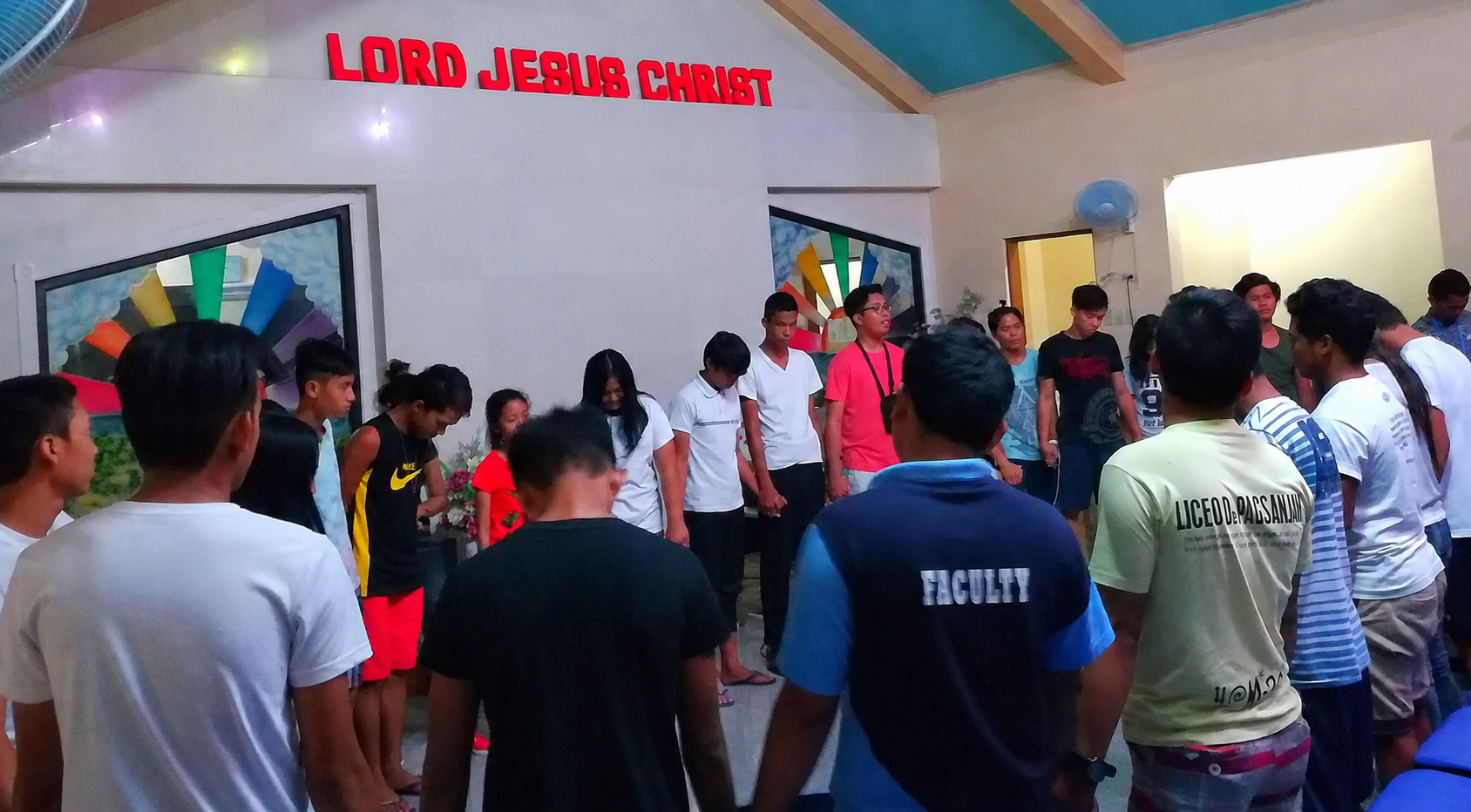
An older church
In an older church like the one I'm attending here in the US, I have observed that things can move much more slowly than they probably should.
Older people tend to be more cautious. They may be less willing to experiment with new ideas or make big changes because they are comfortable with what they already know. They have spent many years building the church, and they have already experienced many changes throughout their lives. Because of this, change may not feel as exciting or necessary to them.
I also notice a difference in energy. This is not to say that older people cannot do things. They can volunteer, clean the church grounds, teach children, play music, organize activities, and do many other things. But sometimes the energy and willingness to experiment differ from those in a group led mostly by young people.
At the same time, older people bring something that young people often lack: experience, patience, wisdom, and a longer perspective.
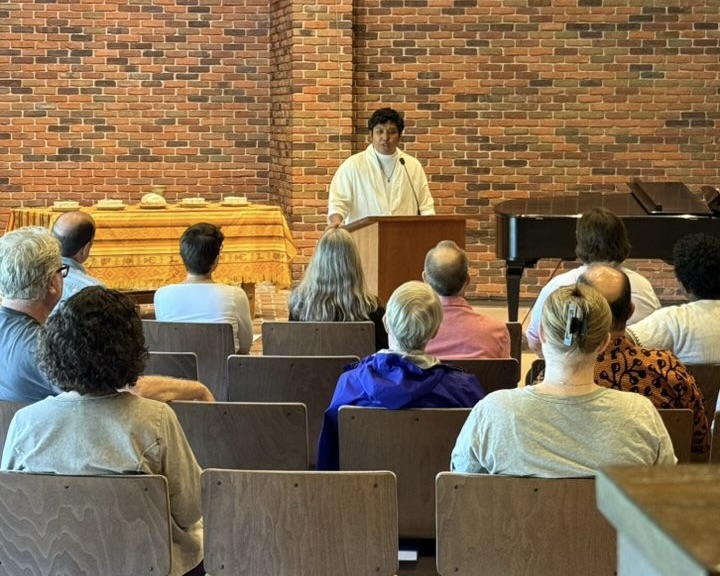
A young church
In a church where most of the people are young, I see almost the opposite problem.
There is a lot of energy, but sometimes there is not enough wisdom.
Young people can be very quick to act. When they have an idea, they may immediately want to act on it without sufficient discussion, planning, or consideration of the possible consequences. There can be so much energy to do many things at the same time that one activity can easily conflict with another.
Communication can also become a problem.
It is interesting that young people today have more ways to communicate than any previous generation. We have social media, Messenger, group chats, and many other platforms. But having many ways to communicate does not necessarily mean that we communicate well. Sometimes young people simply choose not to respond. They may be afraid of being judged, misunderstood, or saying the wrong thing. Instead of expressing what they really think or feel, they choose silence.
In this young church, friendships can also become stronger. There is a sense of belonging and excitement as people do things together with their friends. But there can also be a lack of long-term vision. The church can become focused on what is happening right now rather than on how it will continue and grow in the future.
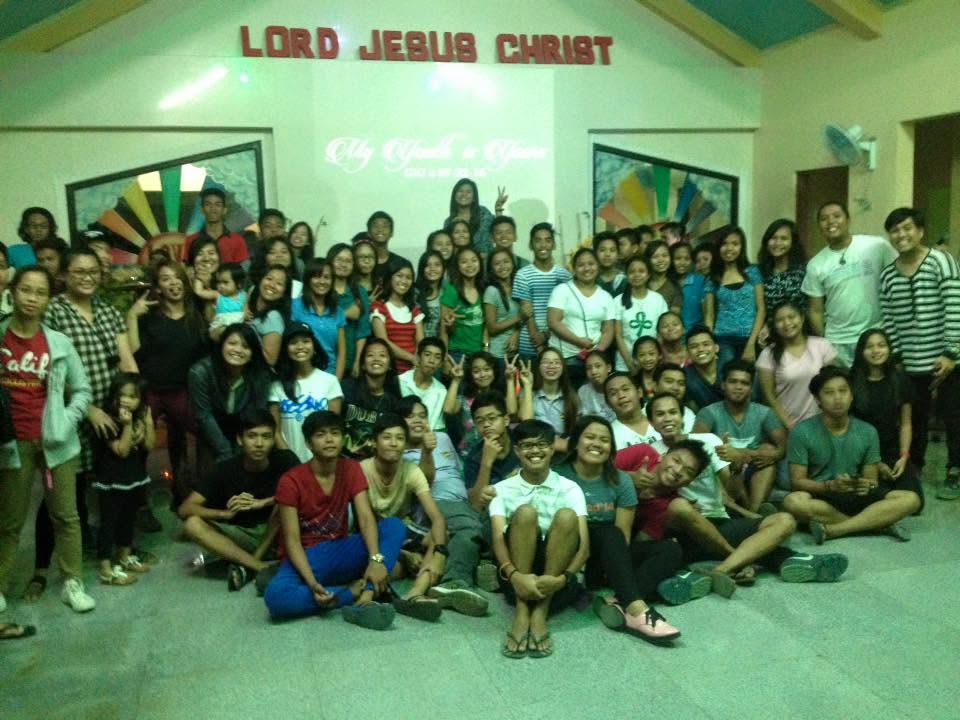
Conflict can also become more complicated because the young leaders may still be trying to understand their role. Are they still part of the youth group, or are they now responsible for leading the whole church?
When this is unclear, priorities can shift. Sometimes decisions are made based on what is best for the young people rather than for the whole church.
So, what does a healthy church look like?
I do not think the answer is simply to make the church younger or older.
The church needs both.
Young people bring energy, creativity, courage, and a willingness to try new things. Older people bring experience, wisdom, patience, and perspective. When these gifts are brought together, the church can become stronger.
But what would happen if a church were actually founded and shaped by young people from the beginning?
How would that church function?
What would its leadership look like? What kinds of conflicts would they experience? How would they make decisions? How would they deal with money, ministry, relationships, and long-term sustainability? And perhaps most importantly, how would they ensure that the church remains a church and does not simply become a group of young friends?
In my next blog entry, I want to explore this hypothetical church: a church founded by young people and shaped by their vision, energy, and way of doing things.
Let's see what it might look like — and whether a young church can actually survive.
Before you go — I'd love to know where you land on this. What actually keeps a church healthy over the long run?