
Spirituality on Sacred Images
An examination of Hildegard of Bingen’s Scivias, exploring how medieval sacred images serve as powerful tools for visual theology and Christian spiritual formation.
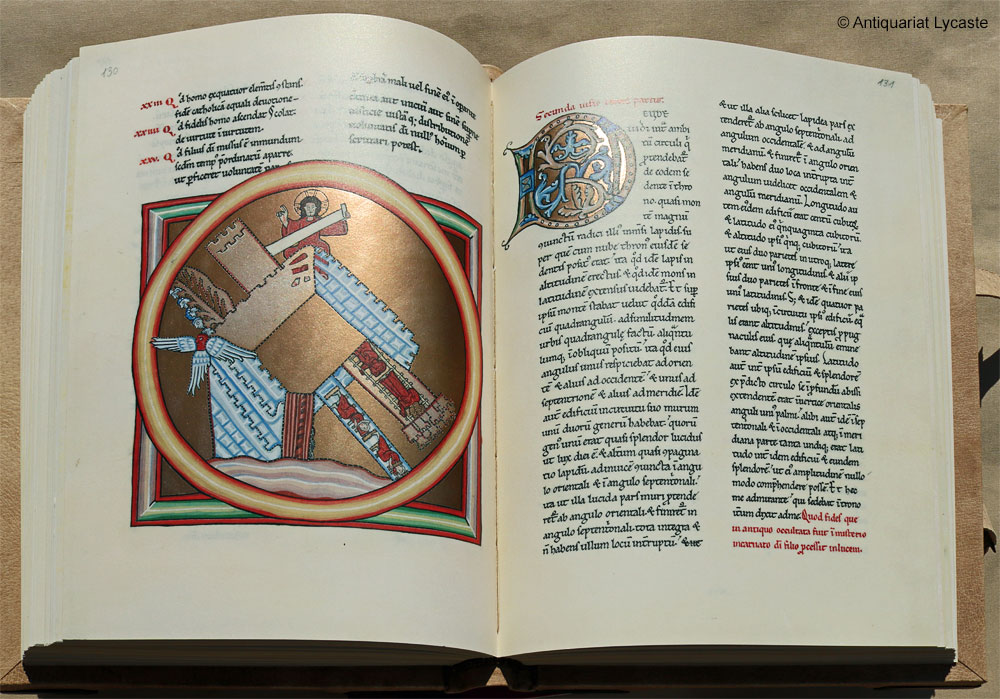
An examination of Hildegard of Bingen’s Scivias, exploring how medieval sacred images serve as powerful tools for visual theology and Christian spiritual formation.

The painting features three symbolic trees found in the Bible, each carrying a different part of the story of God’s saving work.

What happens to a radical movement when it becomes too comfortable? Explore the historical paradox of the Martyrs Mirror—a massive volume of sacrifice read by a generation defined by wealth, security, and spiritual leanness.
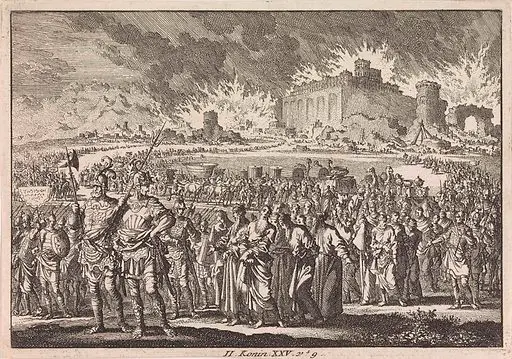
This paper examines the phases of biblical despair in Lamentations 3:1–21, interpreting the poem through seven emotional stages—anger, physical harm, isolation, exaggeration, self-pity, numbness, and acceptance. By engaging trauma, mental health, and faithful lament, the study presents Lamentations as a theological and pastoral resource for understanding suffering and hope.
Phases of Biblical Despair Based on Lamentations 3:1-21 Read More »
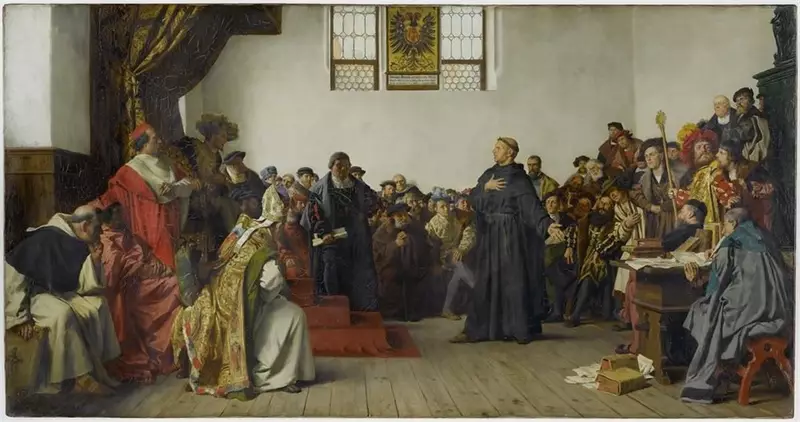
A theological reflection on the growing divisions within the global Anabaptist–Mennonite communion, examining history, mission, and the challenge of practicing shalom amid conflict.

A theological reflection on the role of the church in God’s reconciling mission, creation care, and the wholeness of shalom.
Based on Daniel 6:16-28, this powerful sermon explores what happens when we live our faith with “open windows.” Just as King Darius transformed from a silent observer to a bold proclaimer of God’s greatness, our daily lives and “lions’ den” moments serve as the only open Bible many will ever read. Learn how to stop playing it safe and start living a testimony that draws others to the living God.
From Silent Observers to God’s Proclaimers | Daniel 6:16-28 Read More »

The church is called to live out God’s shalom by promoting peace, justice, and reconciliation, standing with the oppressed, and acting as a prophetic voice in a fractured world.

What is Shalom in Conversation with the Gospel? Skip to main content What is Shalom in Conversation with the Gospel? Shalom can be described as the web of relationships among humans, according to Woodley. It’s like going back to the Garden of Eden, the epitome of what it will look like when God and the

A deep dive into the biblical narrative of Tamar and Judah, exploring themes of survival, vulnerability, structural injustice, and redemption within the lineage of Jesus Christ.